The Return of the Thoughtful Buyer: What Today’s Real Estate Market Is Really Telling Us

For years, the real estate conversation was dominated by urgency. Homes sold in hours. Buyers waived conditions. Multiple offers became expected rather than exceptional. Across much of Canada, the pace of the market often left little room for reflection, strategy, or long-term thinking.
Today, the landscape looks different.
While headlines continue to debate interest rates, affordability, and market uncertainty, something more meaningful may be happening beneath the surface. The market is shifting toward a more measured and intentional era, one where thoughtful decision-making is beginning to replace emotional urgency.
For buyers, sellers, and industry professionals alike, this transition matters.
The current market is not defined by collapse, nor by runaway growth. Instead, it reflects a recalibration. And for many Canadians, that may ultimately create healthier conditions for real estate decisions rooted in lifestyle, financial stability, and long-term value rather than panic or pressure.
Recent housing outlooks from organizations including CREA and CMHC suggest that while activity is recovering gradually in parts of Canada, growth is expected to remain moderate through 2026. Sales are forecast to improve modestly, while prices in major markets such as Ontario are expected to remain relatively stable compared to the volatility of previous years.
That may not generate dramatic headlines, but it could signal something far more sustainable.

Buyers Are Becoming More Strategic
One of the clearest shifts in today’s market is the return of buyer discipline.
During the height of the pandemic-era market, many purchasers felt forced to move quickly simply to compete. Today’s buyers are approaching the process differently. They are asking more questions, comparing neighborhoods more carefully, analyzing carrying costs, and evaluating whether a property aligns with their long-term goals.
This is especially true amongst younger buyers and move-up purchasers who are navigating higher borrowing costs while also balancing lifestyle priorities, family planning, and career flexibility.
Mortgage rates remain elevated compared to the ultra-low rates seen several years ago, even as some stabilization has emerged in recent months. Analysts continue to point to inflation, bond yields, and global economic uncertainty as key influences on borrowing costs.
As a result, many buyers are thinking beyond the purchase price alone.
There is growing awareness around the true cost of homeownership, including maintenance, insurance, utilities, property taxes, and future renovation needs. This broader financial perspective is changing the way people evaluate homes and neighborhoods.
In many ways, that is a healthy evolution.
Real estate has always been one of the most significant financial decisions people make. A more deliberate approach may help buyers feel more confident not only in the homes they choose, but also in their ability to sustain those decisions comfortably over time.

Sellers Are Adjusting Expectations
Sellers are also navigating a changing environment. In previous years, pricing aggressively often felt unnecessary. Inventory shortages and intense competition created conditions where homes could outperform expectations with minimal negotiation.
Today’s sellers are entering a market where presentation, pricing strategy, and preparation matter again.
That does not mean homes are not selling. Strong properties in desirable neighborhoods continue to attract serious attention. But buyers are more selective, and that means sellers must understand the importance of positioning their home effectively from the beginning.
Accurate pricing has become increasingly important. Overpricing based on peak-market expectations can result in longer days on market, repeated price reductions, and reduced leverage during negotiations. Meanwhile, well-prepared homes that are priced strategically often stand out quickly.
This shift is also encouraging more balanced conversations between buyers and sellers.
Rather than feeling adversarial, many transactions are becoming more collaborative and practical. Conditions, inspections, financing discussions, and negotiation timelines are re-entering the process in a more normalized way.
For the industry as a whole, that can create a more stable and sustainable market environment.

The Emotional Side of Real Estate Is Coming Back Into Focus
One of the most overlooked consequences of the ultra-competitive market years was how emotionally exhausting the process became for many people.
Buyers experienced repeated disappointment. Sellers faced pressure around timing and replacement purchases. Families often made decisions under compressed timelines and heightened stress.
As the pace becomes more balanced, many people are rediscovering something important: real estate is not just a financial transaction, it is deeply personal.
A home represents security, identity, lifestyle, and future planning. Whether someone is purchasing their first condo, upsizing for a growing family, downsizing after retirement, or relocating for a career opportunity, the decision carries emotional weight.
The current market is allowing more space for people to reconnect with those priorities.
Instead of asking, “How fast do we need to act?” many buyers are returning to more meaningful questions:
Does this home support our future goals?
Does this neighborhood fit our lifestyle?
Can we realistically see ourselves here for years to come?
Those questions often lead to stronger long-term decisions than fear-driven competition ever could.
Inventory Is Changing the Conversation
Inventory levels remain one of the most important dynamics shaping today’s market.
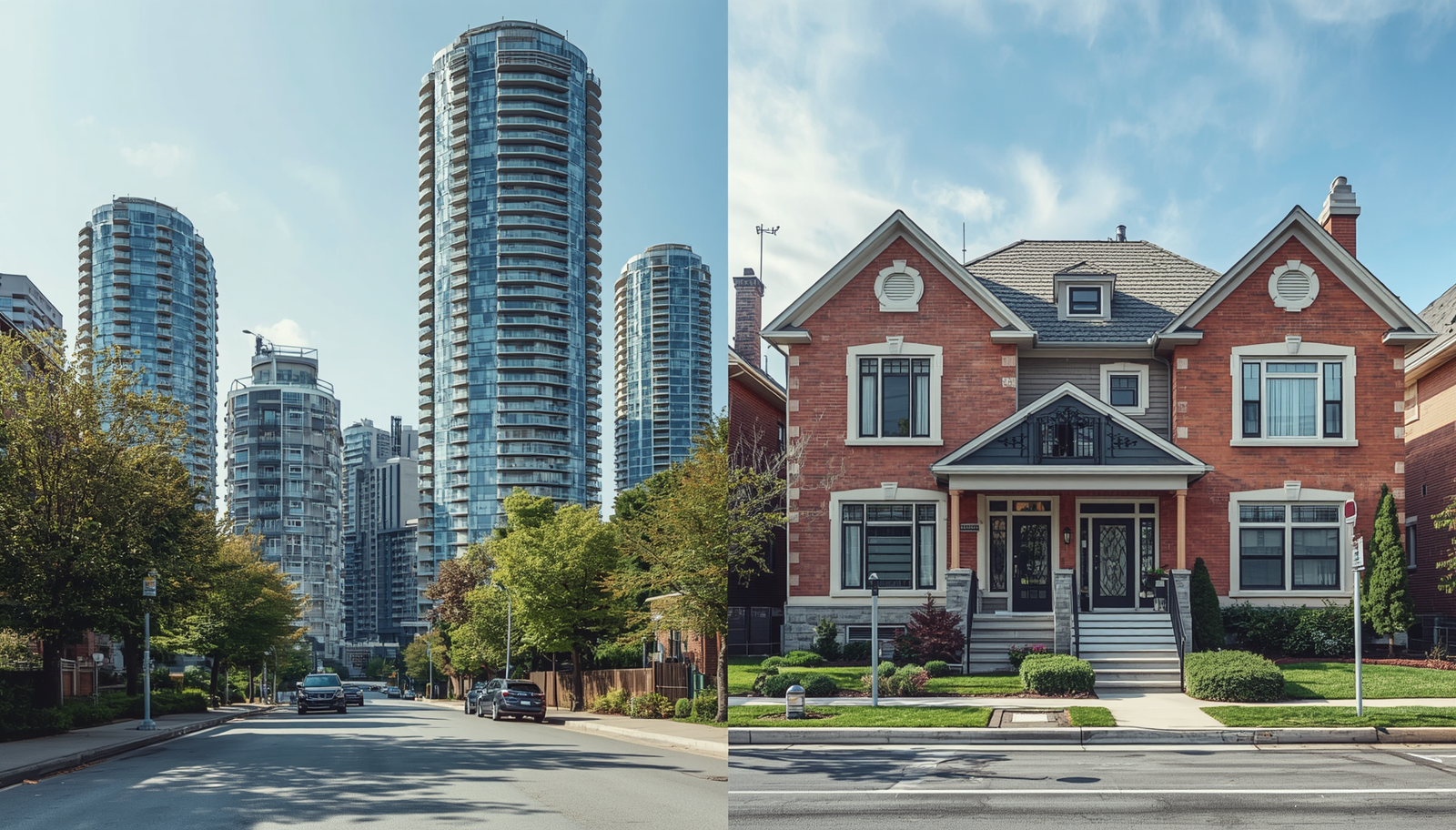
In some regions, increased listings are giving buyers more options than they have seen in years. In others, supply remains constrained, especially in highly desirable urban and suburban communities.
Ontario continues to face affordability and inventory pressures, particularly within the Greater Toronto Area, though many experts note that the market has become more balanced compared to the extreme conditions seen earlier in the decade.
At the same time, buyer preferences continue to evolve. Flexible work arrangements have changed how many people think about commuting, space, and lifestyle. Some buyers continue to prioritize larger homes or multi-functional spaces, while others are returning to urban centers seeking walkability, convenience, and connectivity.
Condominium markets are also experiencing a period of adjustment. CMHC has noted that slower condominium presale activity could affect new condo construction over the coming years.
This creates an interesting dynamic for both investors and end users.
In markets where inventory expands temporarily, buyers may gain negotiating power. But longer-term supply constraints could continue to influence affordability challenges in major Canadian cities over time.

Confidence Matters More Than Timing
Many consumers continue to ask the same question: “Is now the right time to buy or sell?” The reality is that real estate timing is rarely perfect.
Markets move in cycles. Interest rates shift. Economic conditions evolve. Predictions change constantly, even among experts. What matters most is often not perfect market timing, but personal readiness. That includes financial preparedness, lifestyle stability, long-term planning, and access to trusted professional guidance.
Some buyers may benefit from waiting. Others may find opportunities in a more balanced market where competition is lower and negotiations are more manageable. Sellers may discover that serious buyers are still active, particularly for homes that are well-positioned and realistically priced.
The key is understanding that today’s market rewards preparation more than speculation.
That may ultimately create better outcomes for everyone involved.

A More Mature Market Could Be a Positive Shift
After years of volatility, Canada’s housing market appears to be entering a more mature phase. Moderate growth, more balanced negotiations, an increase in buyer caution, and greater emphasis on long-term value.
While uncertainty always exists in real estate, these conditions may actually support healthier decision-making across the board.
For buyers, it creates space to evaluate options carefully. For sellers, it reinforces the importance of strategy and presentation. For industry professionals, it highlights the continued value of experience, guidance, and local market knowledge.
And for the market overall, it may encourage a return to something that has always mattered most: helping people make informed, sustainable real estate decisions that support their lives well beyond the transaction itself.